
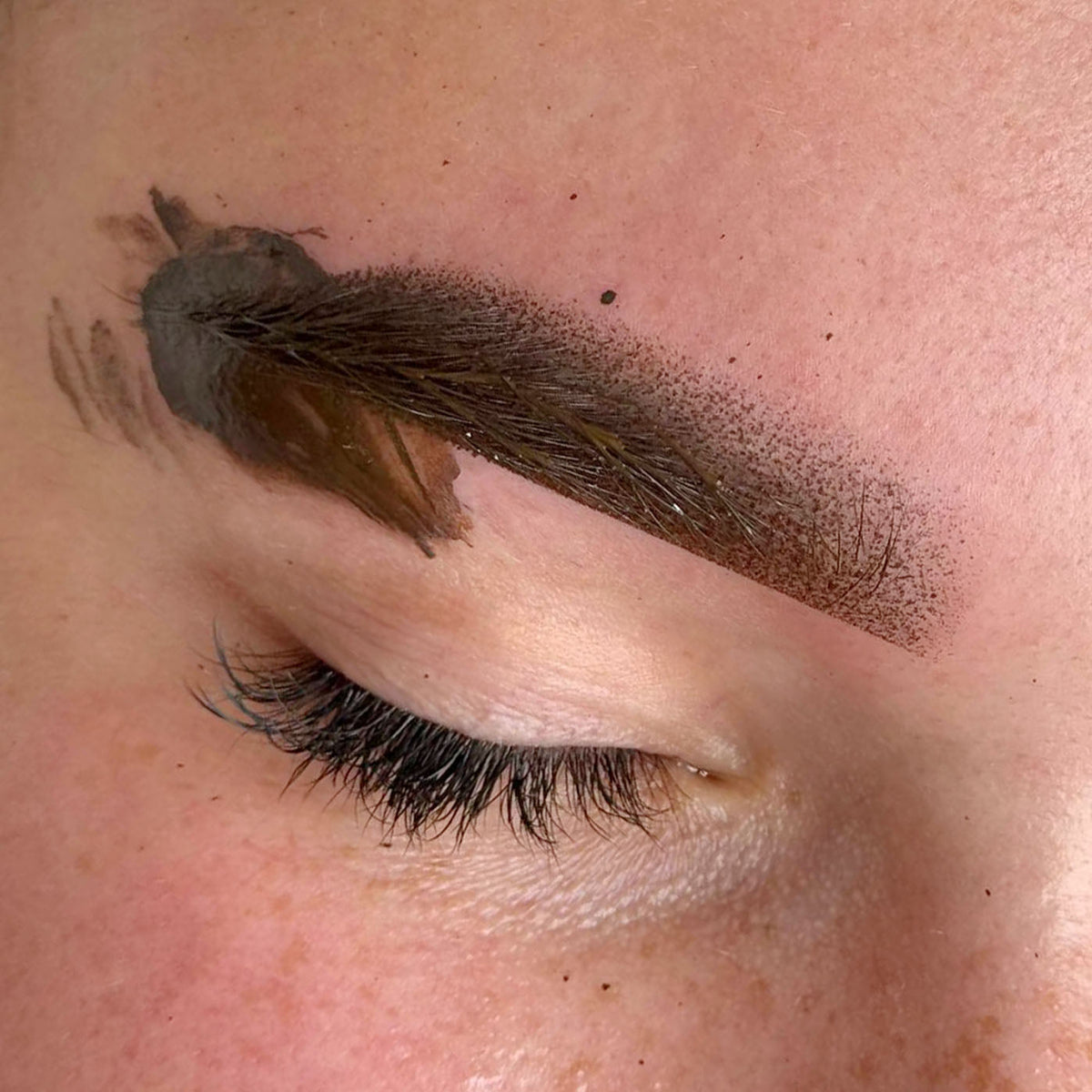
Pigment Not Going Into the Skin? The Skin Itself Is Usually Not the Problem
“This skin won’t take pigment” is one of the most common statements made during a difficult pigmentation procedure. Sometimes the tissue does behave differently than expected. It may be elastic, lo...
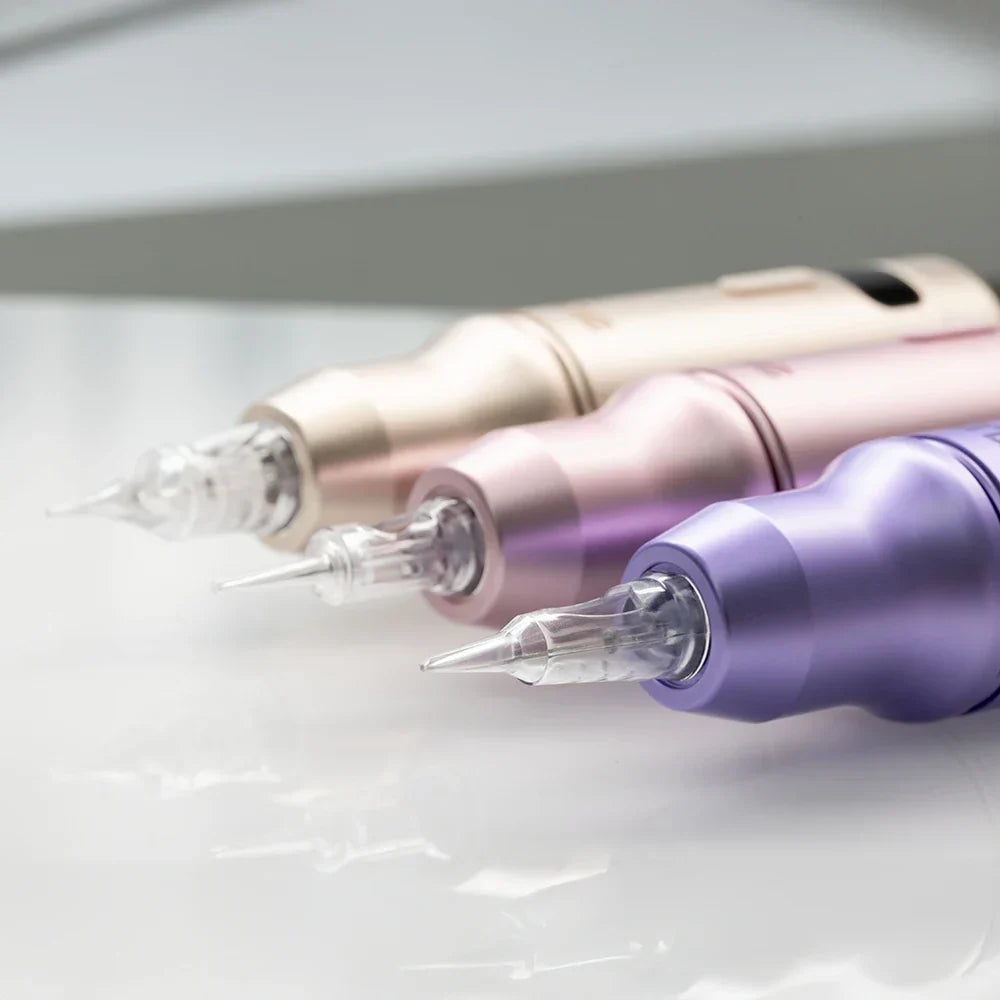
A PMU Cartridge Is More Than Just a Needle: How Its Construction Affects Machine Performance
When choosing a permanent makeup cartridge, we usually focus on three specifications: needle diameter, configuration and taper. We see a label such as 0.25 1RL LT or 0.30 1RL LT on the packaging an...
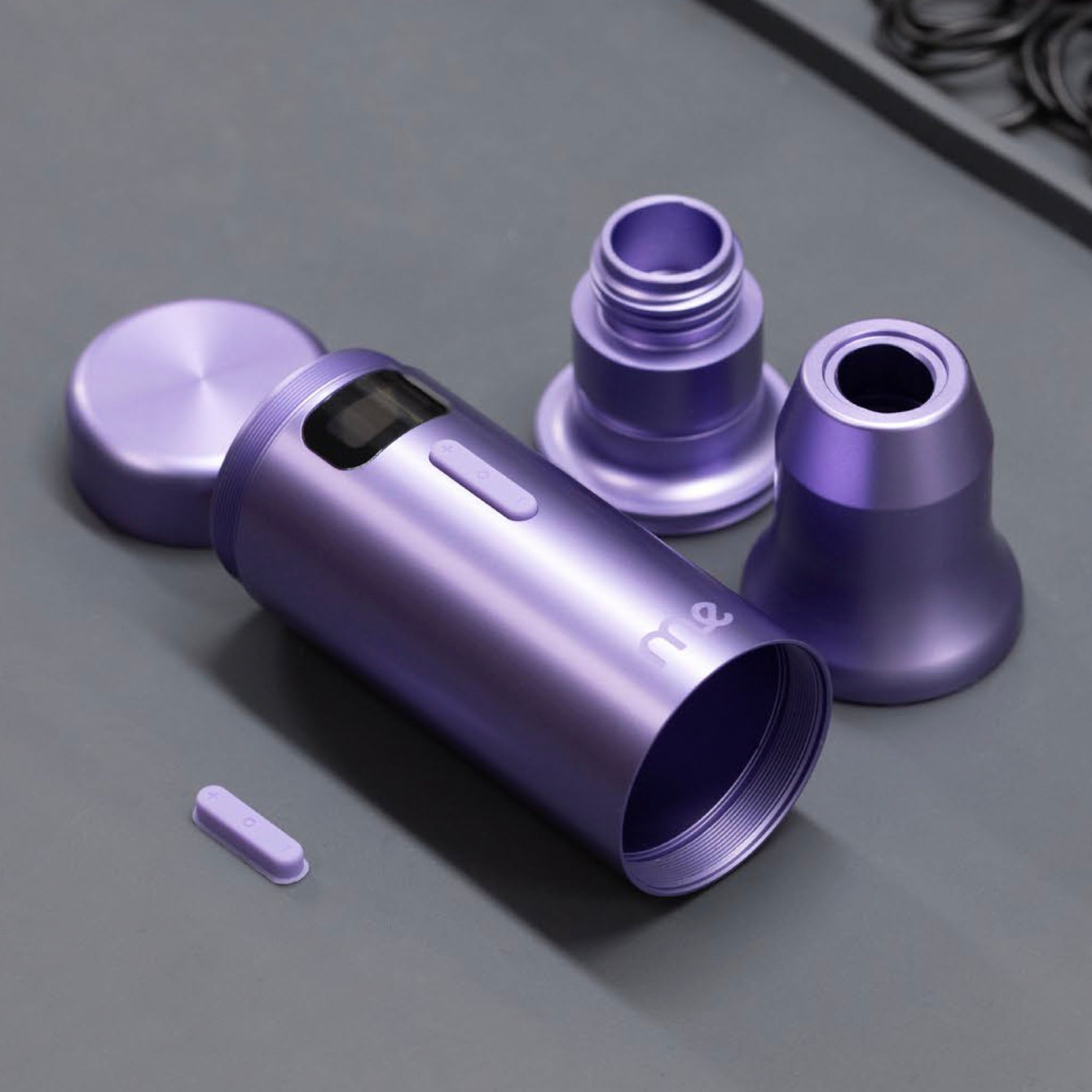
When Does a PMU Device Need Servicing? 8 Warning Signs You Shouldn’t Ignore
A PMU device may still switch on, display the correct frequency and move the needle, yet no longer perform in the same way it did before. The change often begins subtly: the sound becomes more meta...
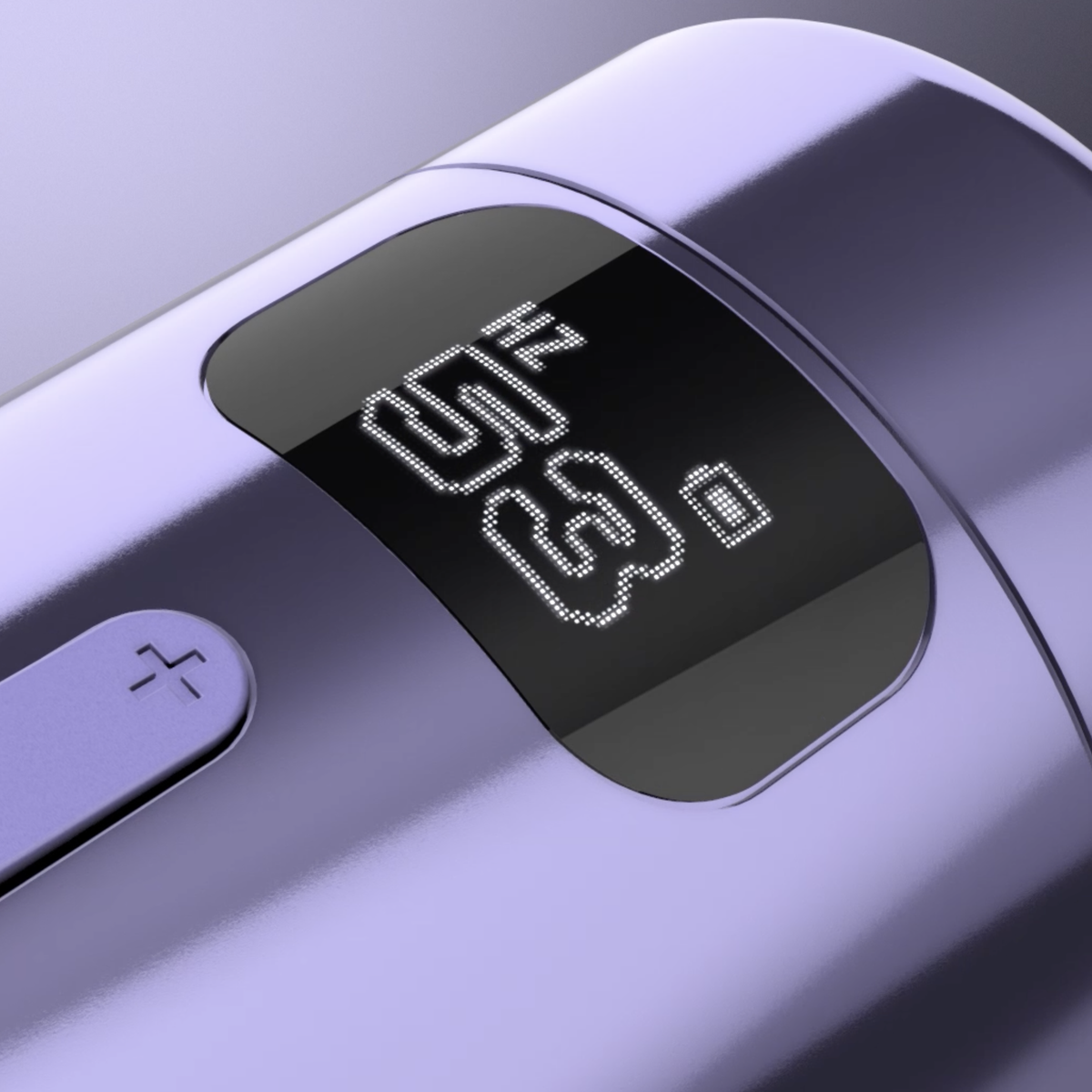
Needle Motion in a PMU Machine: What Don’t Hz and Stroke Tell You?
Two PMU machines can operate at 60 Hz, have a 3.5 mm stroke and use the same cartridge, yet still leave a different trace. One creates clearly defined, consistent pixels with light contact. The oth...
PMU Needle Hang: Why Protrusion Is Not Depth
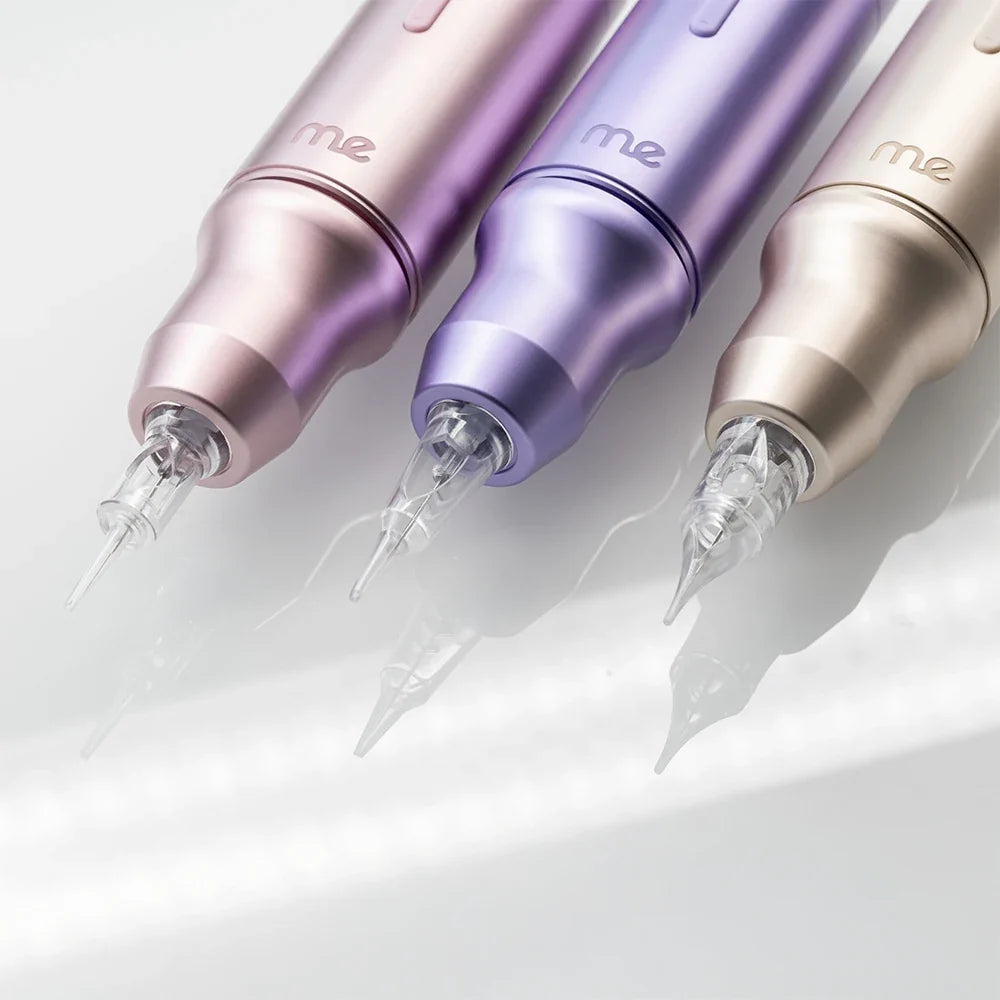
“Set the needle to two millimetres” sounds like a precise instruction. In practice, however, it can describe completely different working conditions when two different machines, cartridges and tis...
Can I convert my usual voltage setting into Hz?
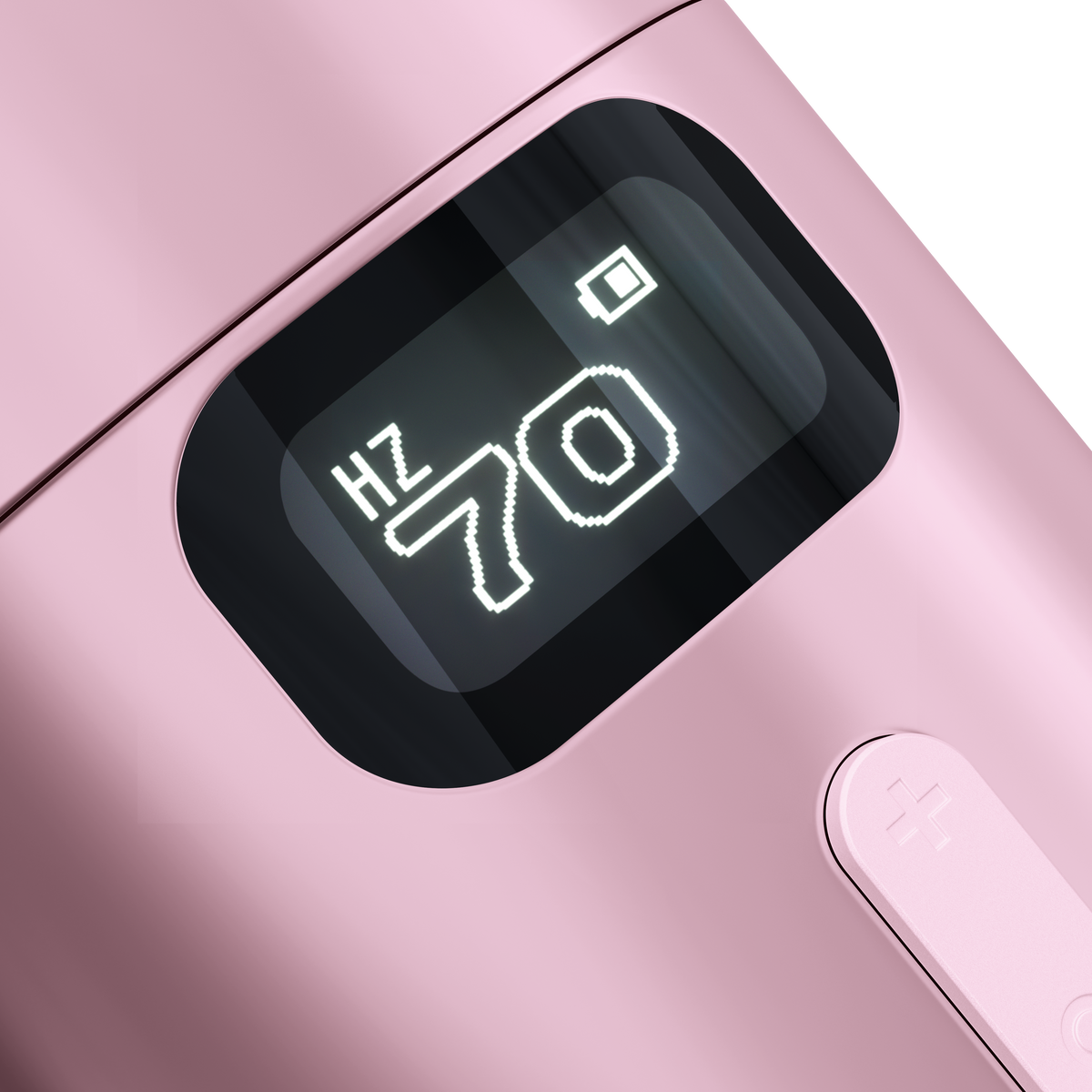
No- and you shouldn't try to. If you have always worked at 6 V, 7 V or 8 V on another machine, there is no formula that will tell you what this equals in Hz on ME™. 7 V does not equal 50 Hz, 60 Hz ...
Volts vs Hz in PMU Machines: What Machine Speed Actually Means
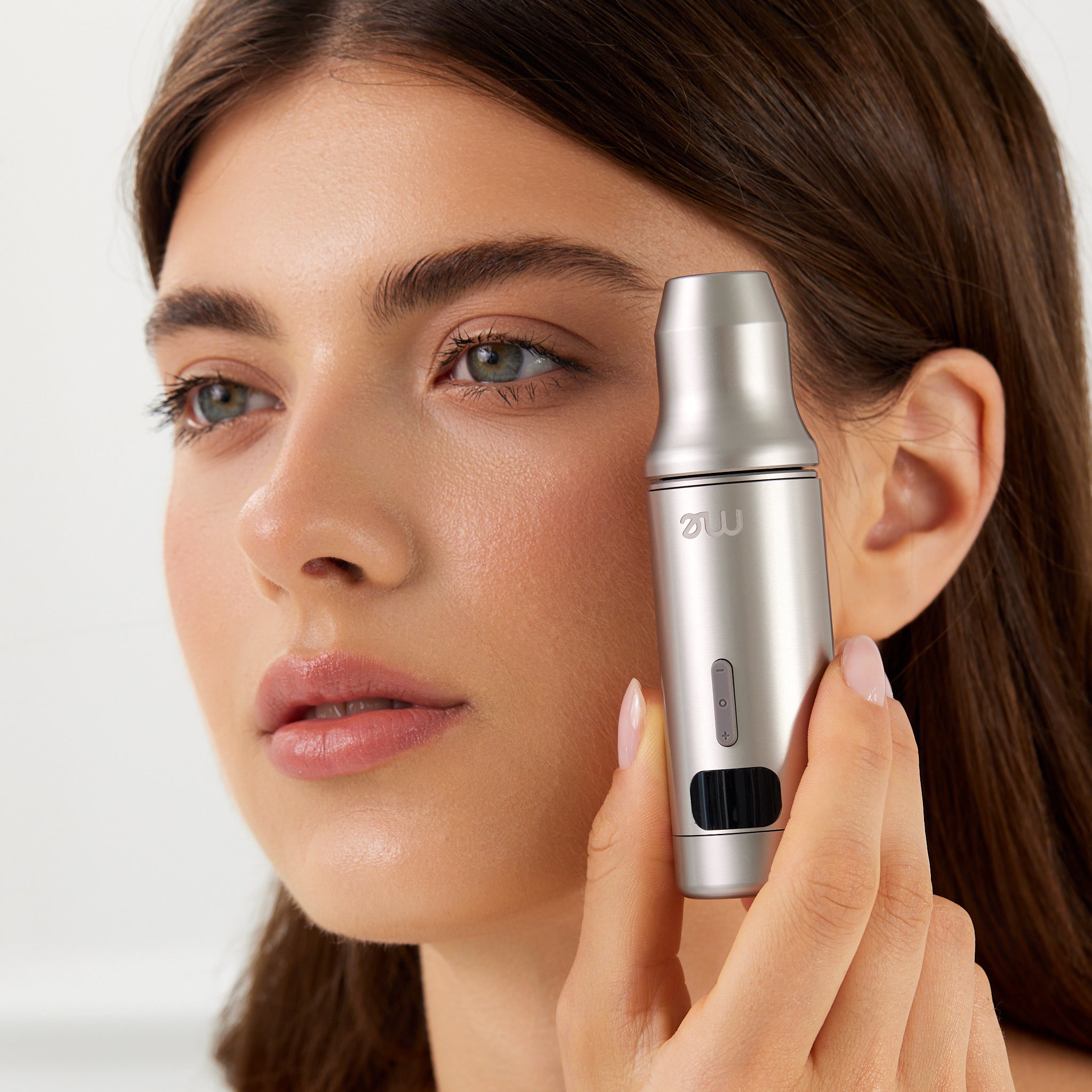
There is one question I hear at almost every PMU training, workshop and demonstration: “What speed are you working at?” For years, the answer has usually sounded something like: “5 volts.”“7 volts....
Why Does the Machine Have a Real Impact on Permanent Makeup Results?
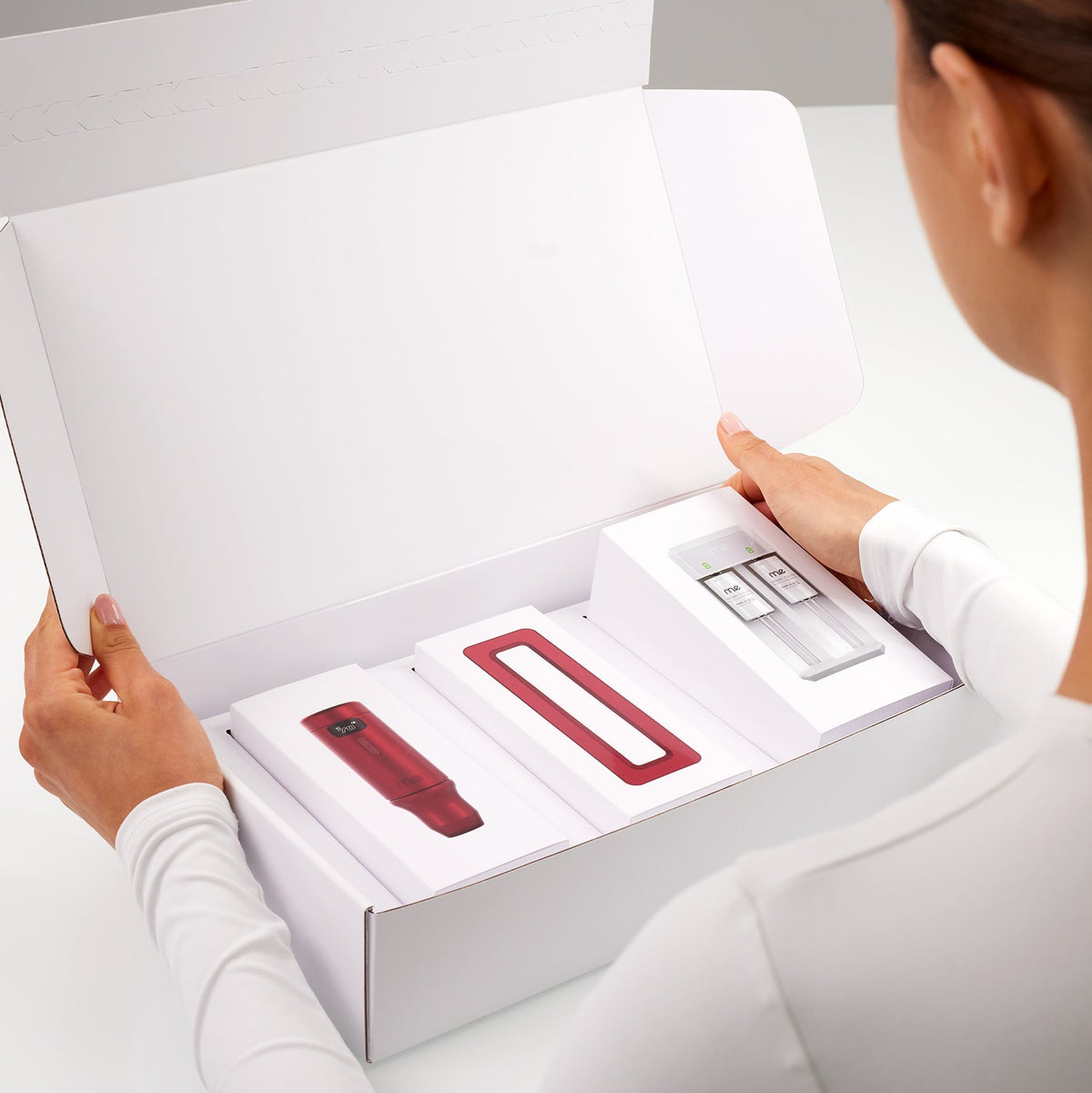
Does your PMU machine really affect healed results? Discover why permanent makeup is more than stroke length or voltage, and learn how machine mechanics, tissue interaction and Motion Control influ...
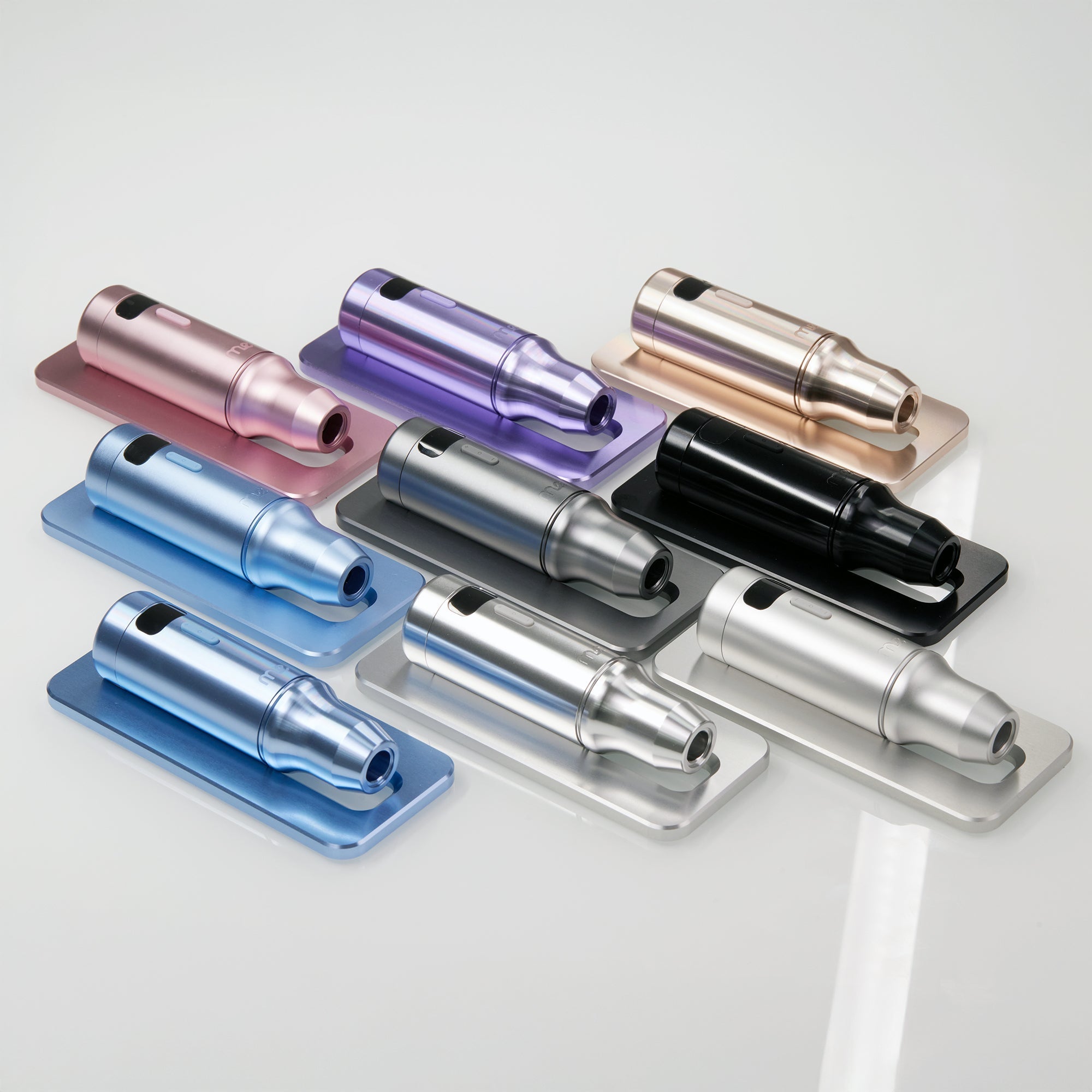
Which ME™ Machine and Configuration Should You Choose?
Not sure which ME™ machine to choose? Learn the differences between 2.8 mm and 3.5 mm stroke, Motion Control configurations, and find out which setup best matches your technique, skin types and eve...
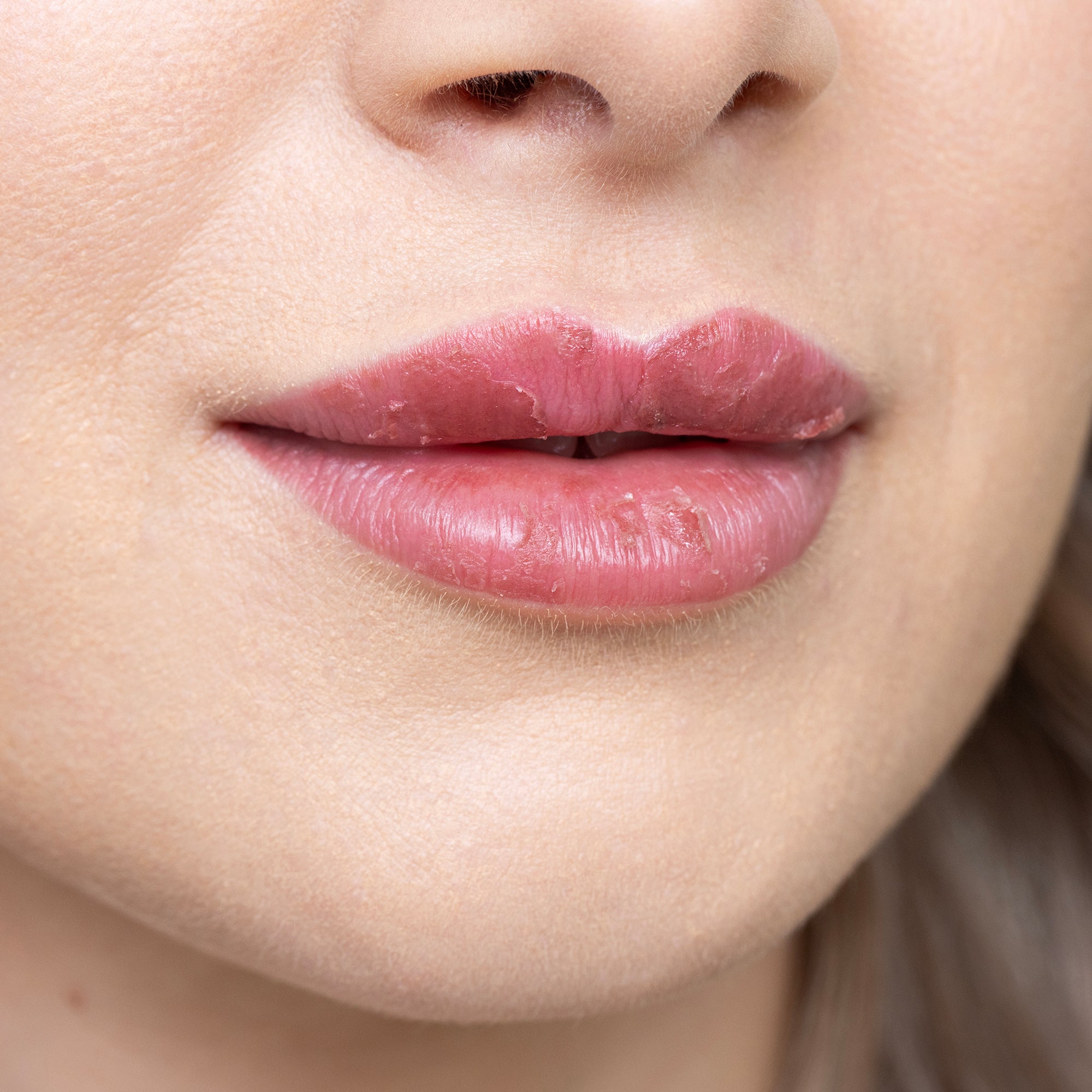
Why PMU Healing Starts Long Before the Skin Begins to Heal
Why do identical PMU machines produce different results? Learn how tissue biomechanics, energy transfer and needle behaviour influence implantation, healing and predictability.